The world in late 2025 and early 2026 has been marked by major shifts from geopolitical tensions to climate challenges and humanitarian crises. These events don’t just make headlines; they influence everything from diplomatic relations to economic markets and everyday life for millions. Let’s explore the most significant developments shaping the global landscape today.
Rising Geopolitical Tensions at Davos

One of the most talked-about recent events took place at the World Economic Forum (WEF) — often referred to simply as Davos. What was meant to be a global dialogue on cooperation and economic resilience quickly turned into a stage for diplomatic friction. At the 2026 forum, U.S. President Donald Trump’s controversial stance on Greenland and aggressive tariff threats sparked strong pushback from European leaders, including French President Emmanuel Macron and the European Commission’s Ursula von der Leyen. The situation highlighted wider concerns about the erosion of traditional alliances and the future of the rules-based international order.
In context, a broader WEF survey highlighted that economic conflicts especially between major powers are now seen as one of the greatest short-term global risks, even ahead of conventional warfare and extreme weather events. Experts warned that economic rivalry, sanctions, and supply chain struggles could undermine global stability in the coming years.
A Turbulent and Transformative 2025
Looking back on 2025, many analysts and media outlets described the year as exceptionally turbulent, with news events ranging from wars and political upheavals to environmental crises and trade disputes.
Global institutions like the Council on Foreign Relations (CFR) also highlighted the year’s top foreign policy issues from major wars to shifts in geopolitical alignments and economic power dynamics.
Environment: Climate Stress and Bleaching Reefs
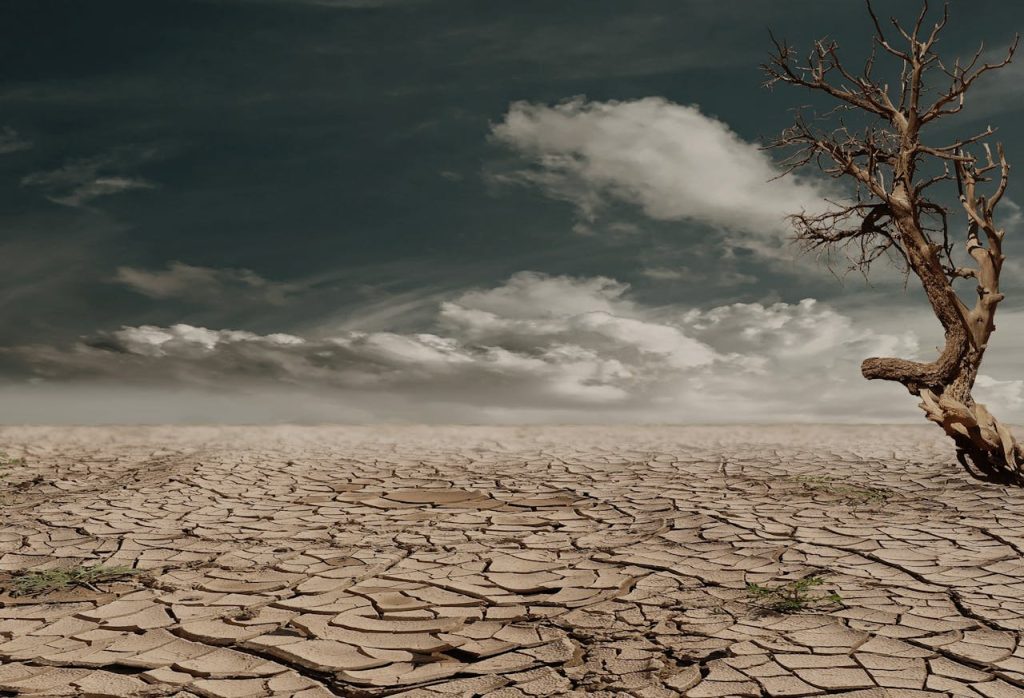
Beyond politics, the environment remained a critical global issue. The planet has continued to experience dramatic shifts due to climate change. One stark example is the 2023–2025 global coral bleaching event, the largest on record, affecting roughly 84% of coral reef ecosystems worldwide. These vital marine habitats are suffering from elevated ocean temperatures, which strip corals of their symbiotic algae and leave them vulnerable.
This global bleaching not only threatens marine biodiversity but also jeopardises coastal communities and economies that rely on reefs for tourism, fishing, and coastal protection. The scale of this event underlines how climate phenomena are no longer distant forecasts — they’re real, ongoing, and global.
Diplomatic Friction in East Asia

Political relations in East Asia also saw heightened tension with the 2025–2026 China–Japan diplomatic crisis. This dispute has extended beyond policy into cultural arenas, with postponed exhibitions, cancelled concerts, and restricted entertainment collaborations impacting everyday life and commerce. What began as diplomatic friction illustrates how regional disagreements can ripple outward, touching social and cultural exchanges as well as economic activity.
Social Movements and Youth Protests

Another defining global theme has been the rising influence of youth-led social movements. Around the world from Africa to Asia to Latin America young people have mobilised to challenge poor governance, corruption, and social inequality. In some cases, these protests led to political change and reform; in others, they were met with heavy resistance and arrests. Such movements underscore growing generational demands for accountability, opportunity, and representation in governance.
What This All Means
Taken together, these events paint a picture of a world in transition one where geopolitical rivalries, environmental issues, and social demands intersect with economic uncertainties. The challenges are complex, but they also offer moments for international cooperation, innovation in climate policy, and renewed commitment to peace building.Whether you follow world news casually or professionally, these developments shape the times we live in and will continue influencing daily life across countries and continents.